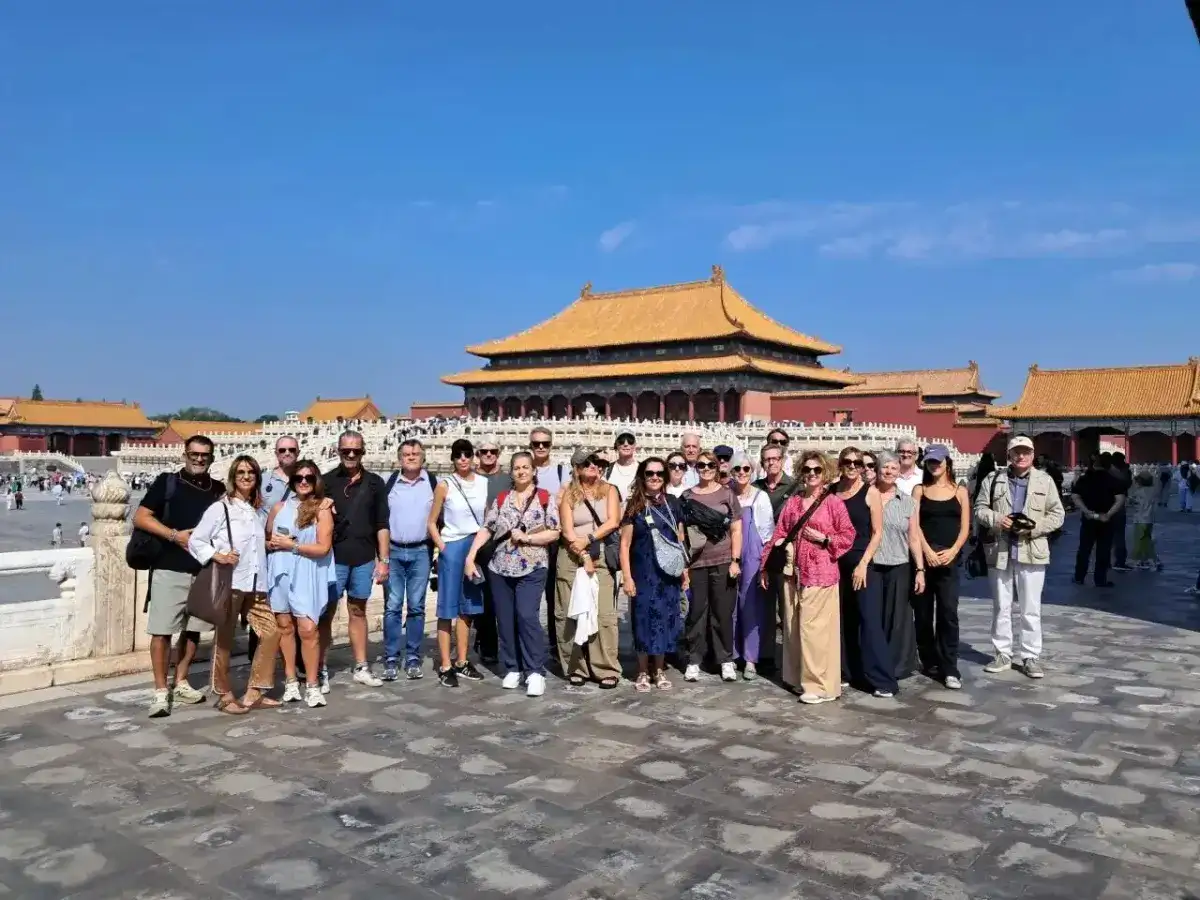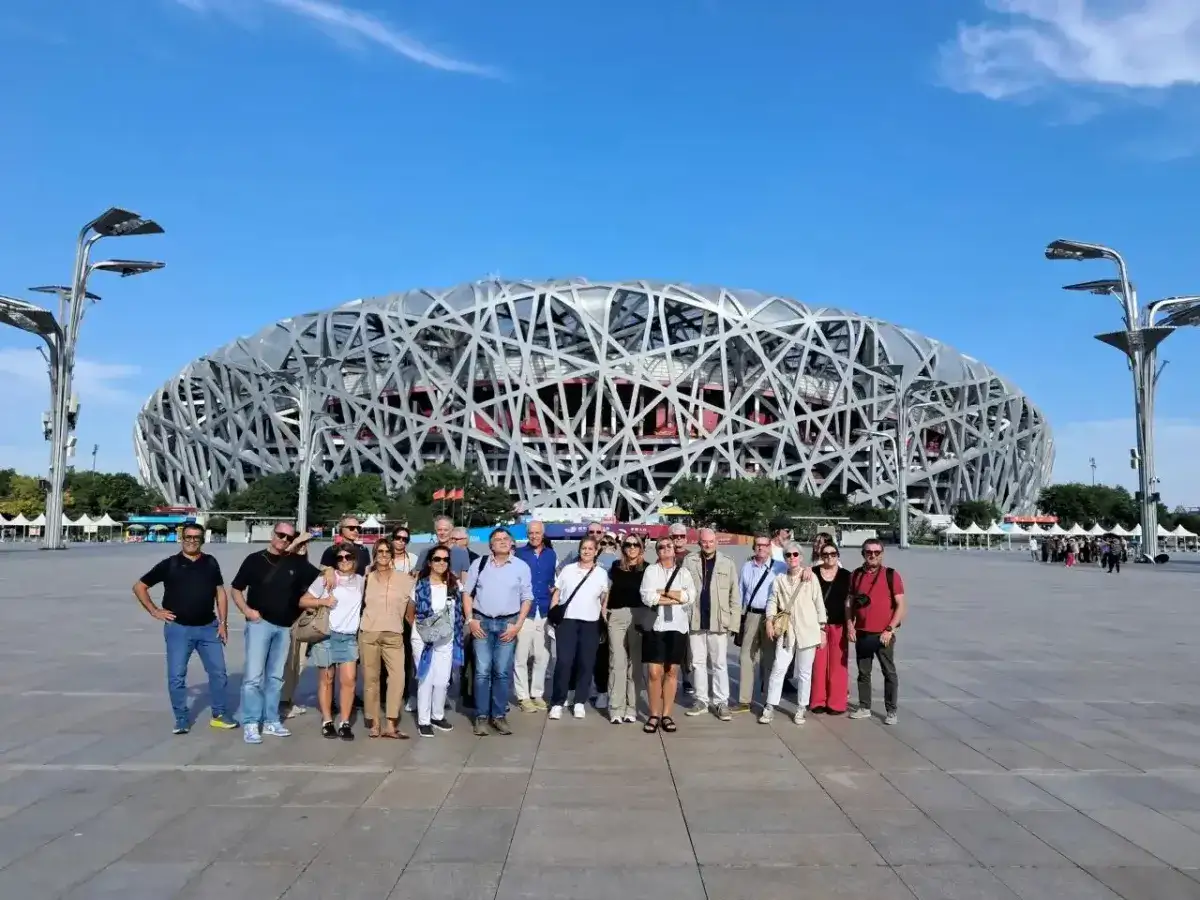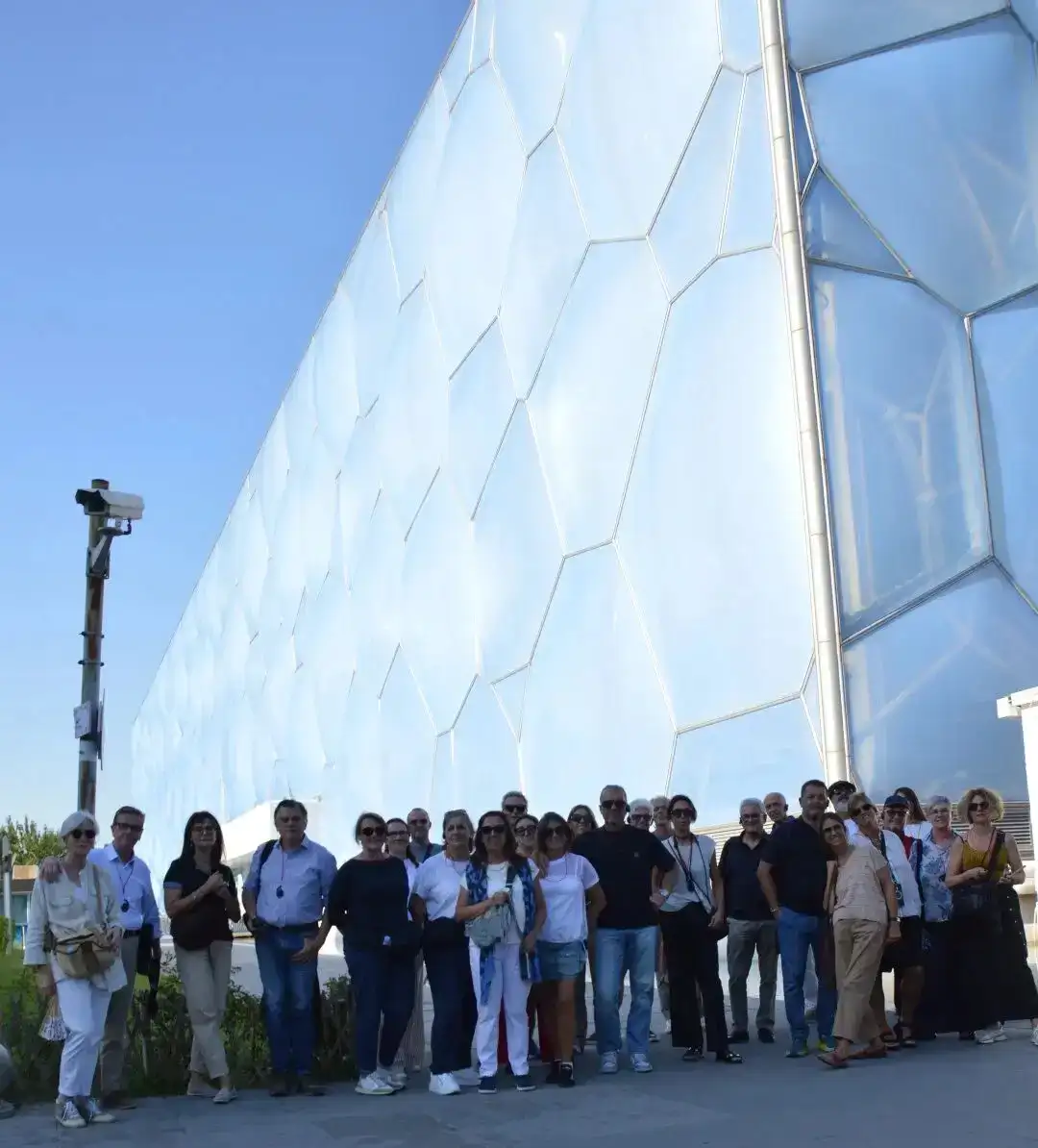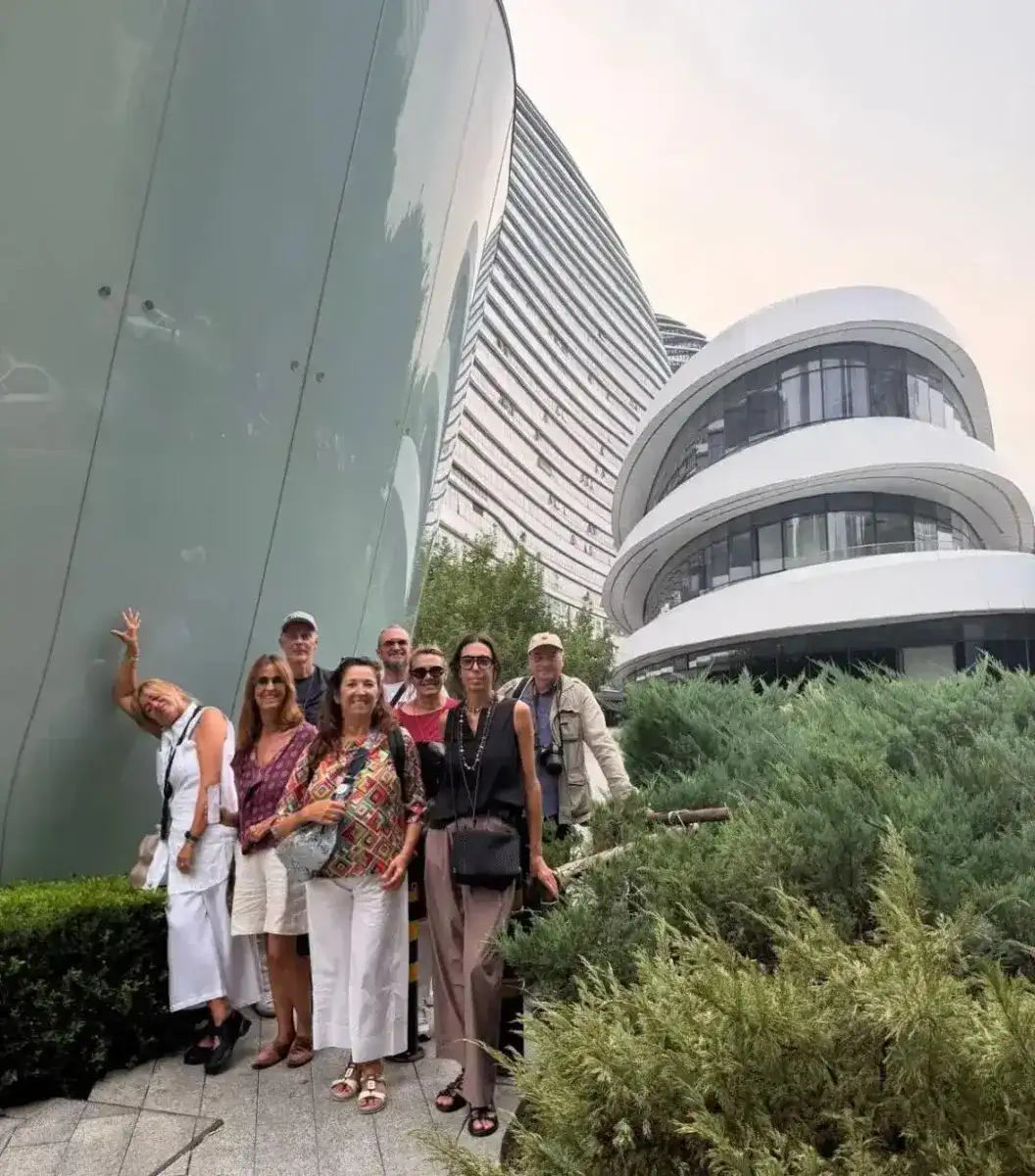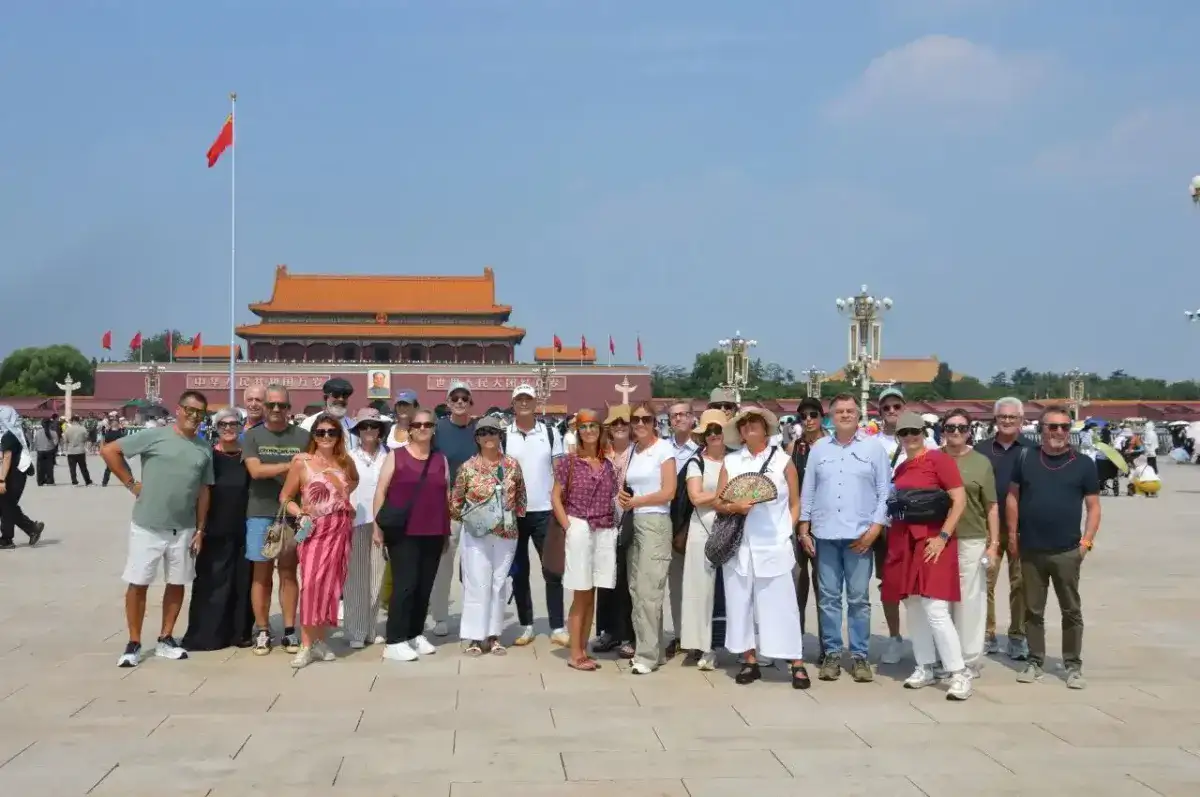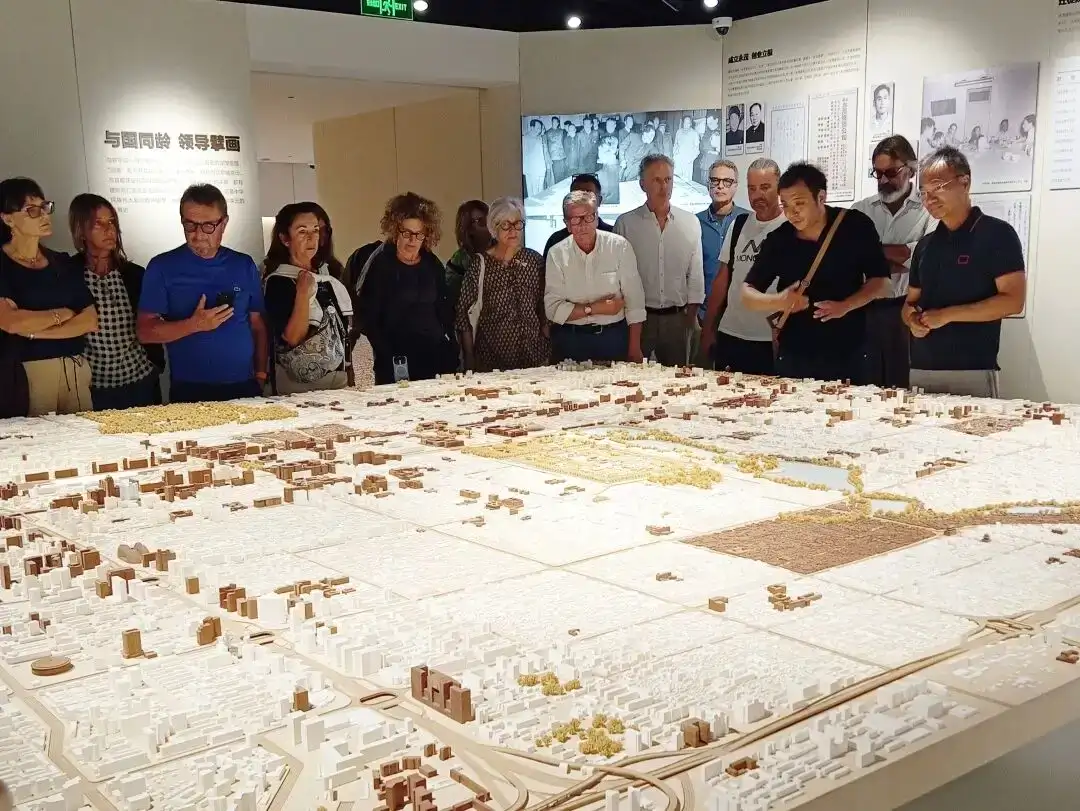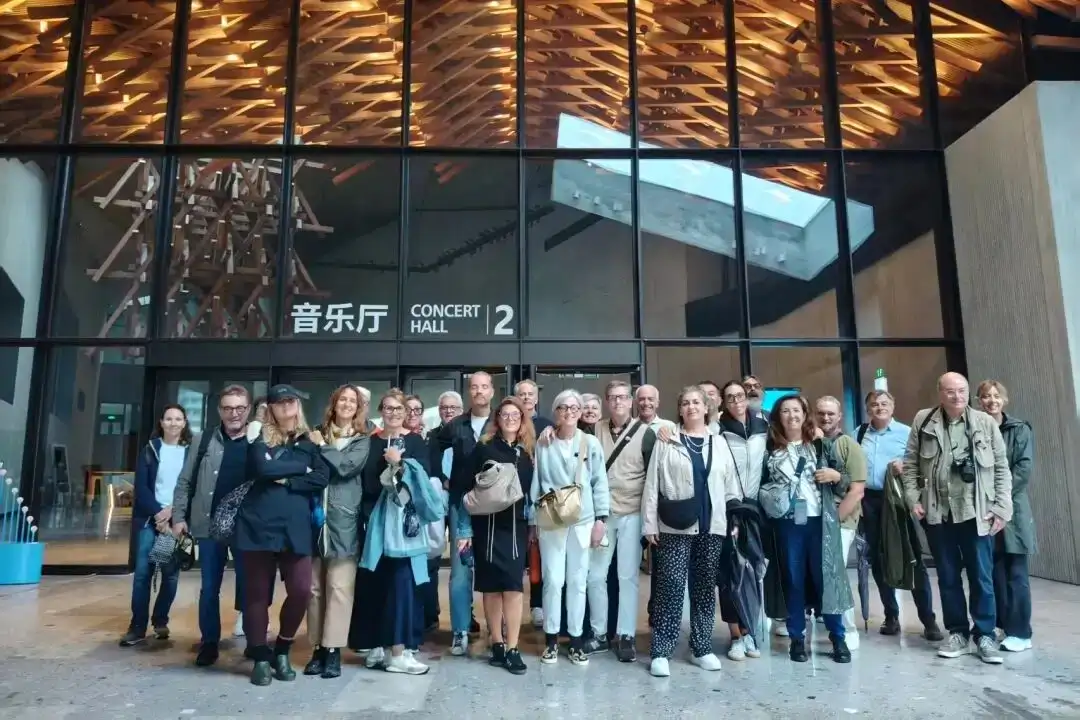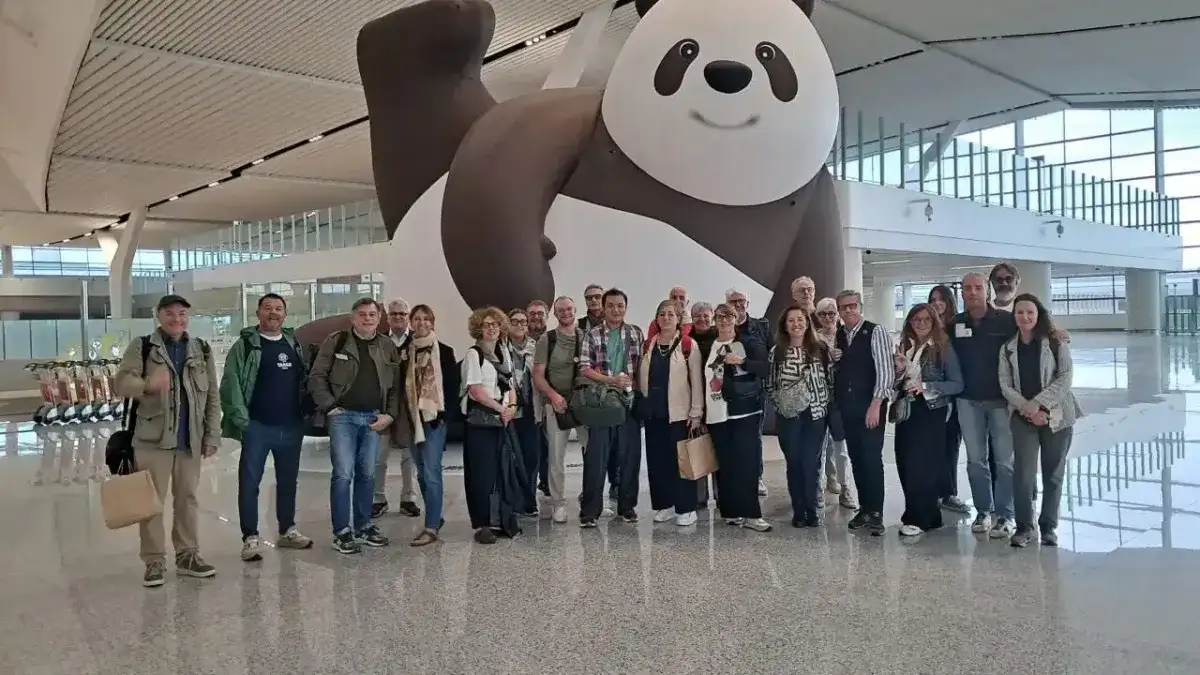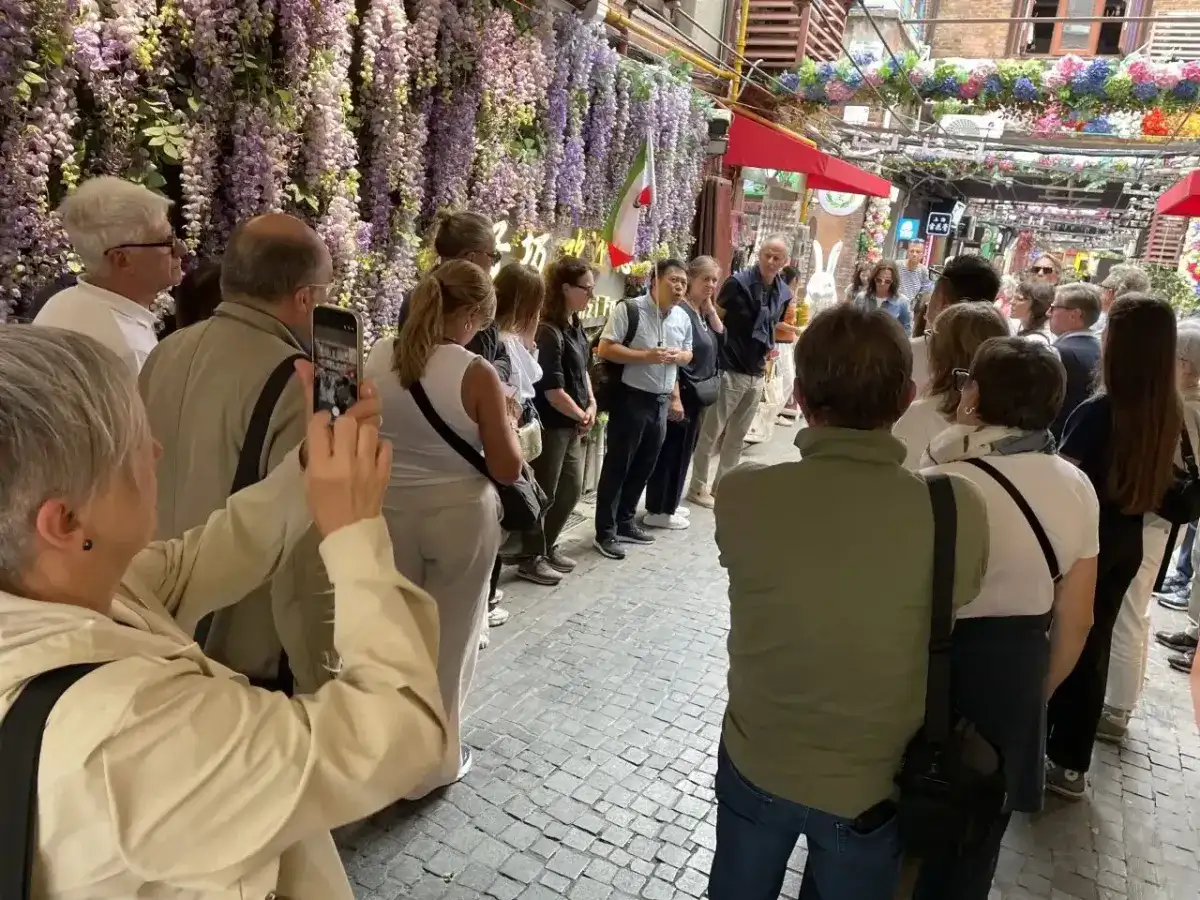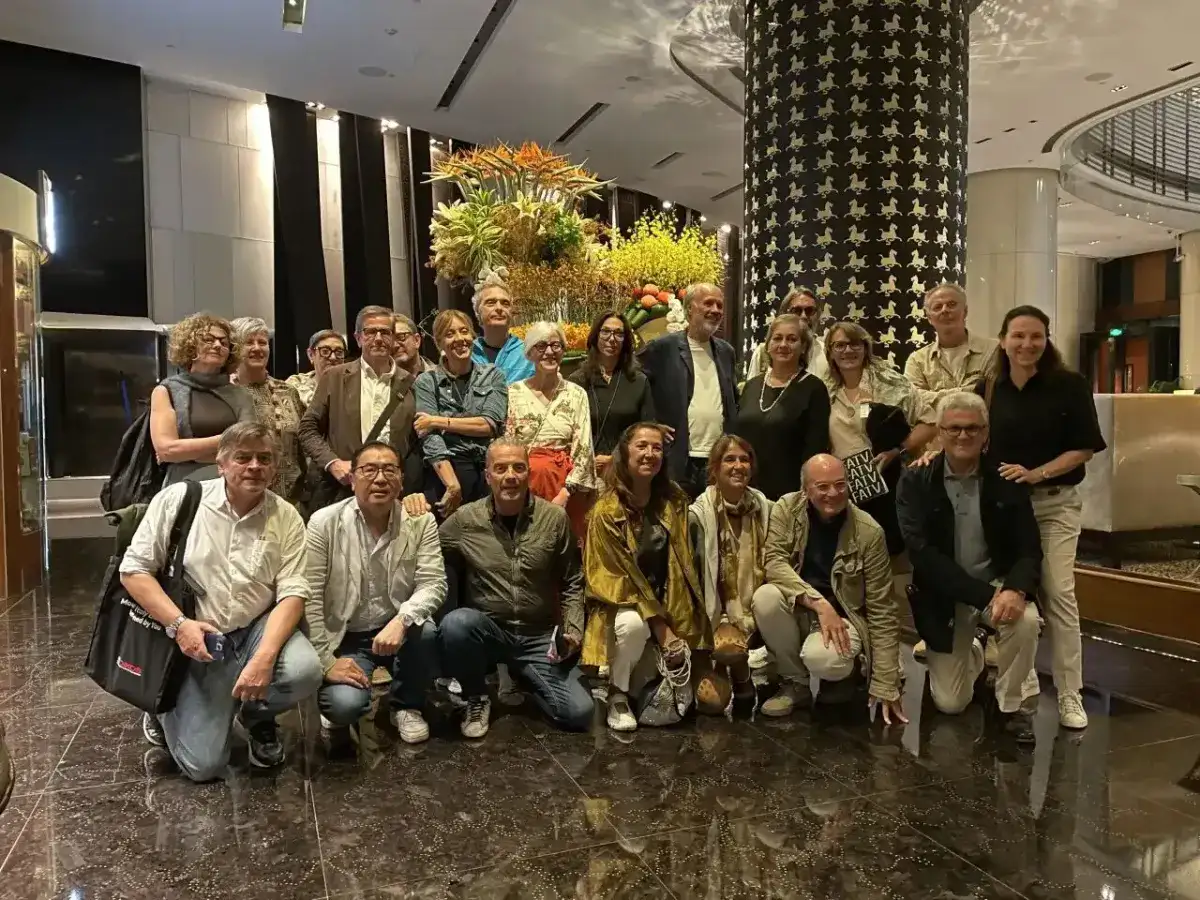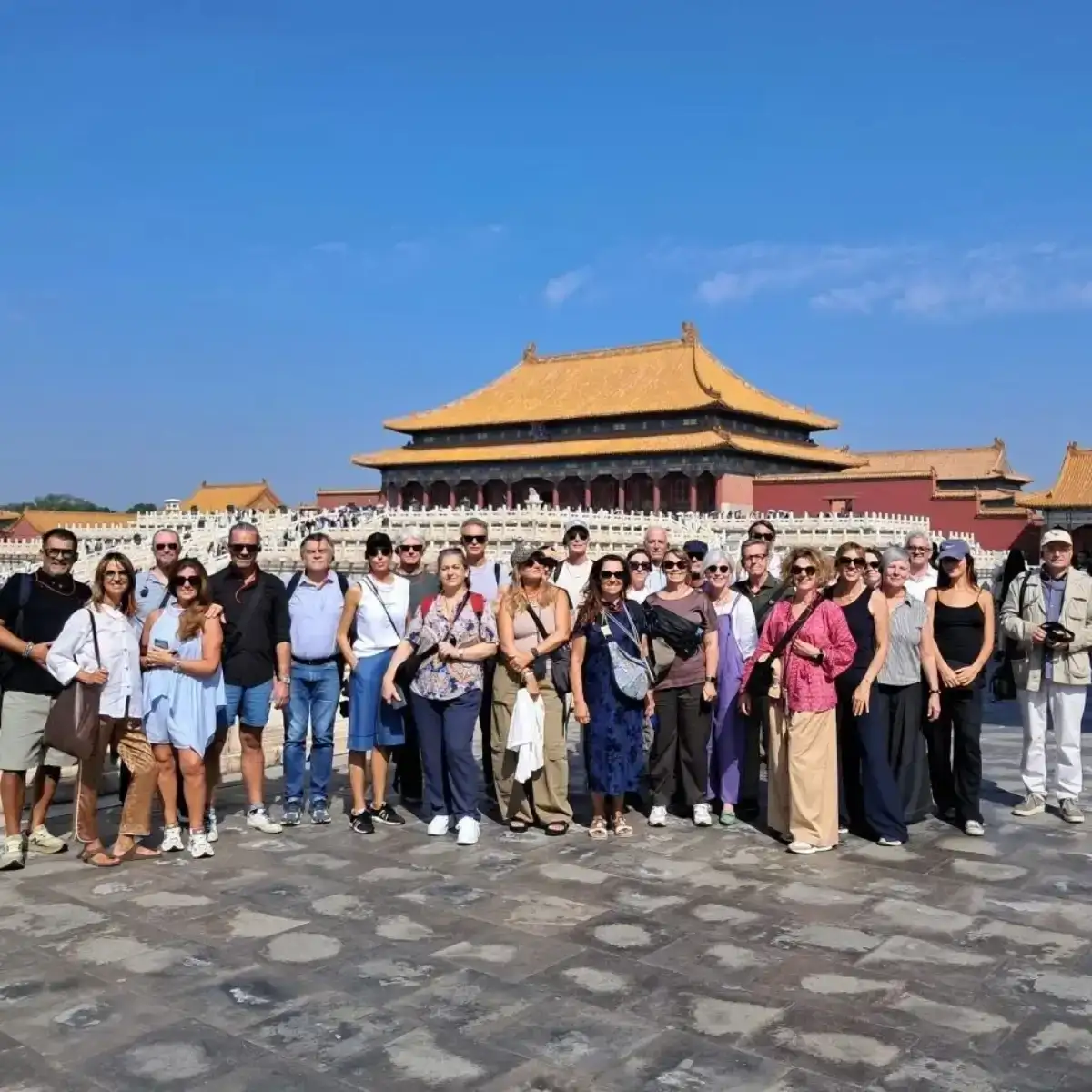
From September 4 to 12, 2026, the Italian Chamber of Commerce in China (CCIC) organized the 2026 China Architecture Study Tour, a nine-day professional delegation across Beijing, Xi'an and Shanghai, with the Fondazione Architetti di Treviso (FATV).
Designed and coordinated by CCIC, the initiative offered Italian architects the opportunity to explore China's architectural heritage, contemporary design and urban development, while fostering professional exchanges with leading Chinese institutions, universities and industry experts.
HIGHLIGHT OF THE DELEGATION
Exploring China's Architectural Heritage and Innovation
Across three cities, the delegation experienced China's rich architectural landscape, from historical landmarks to cutting-edge contemporary projects.
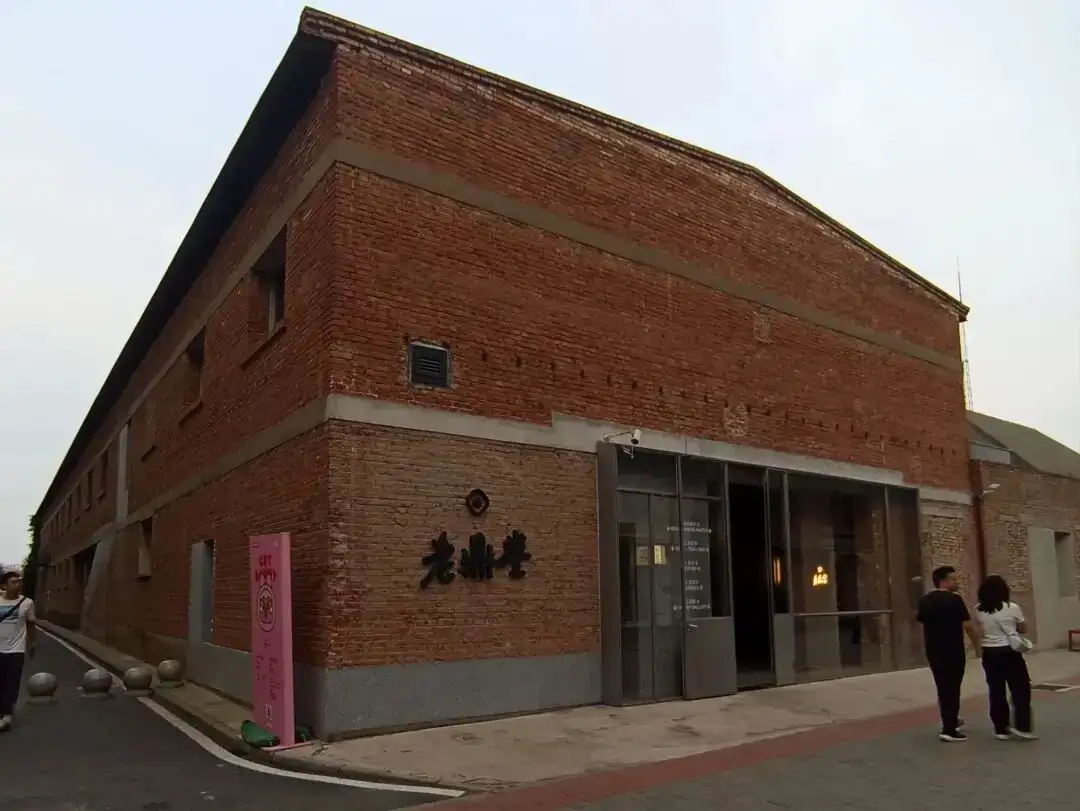
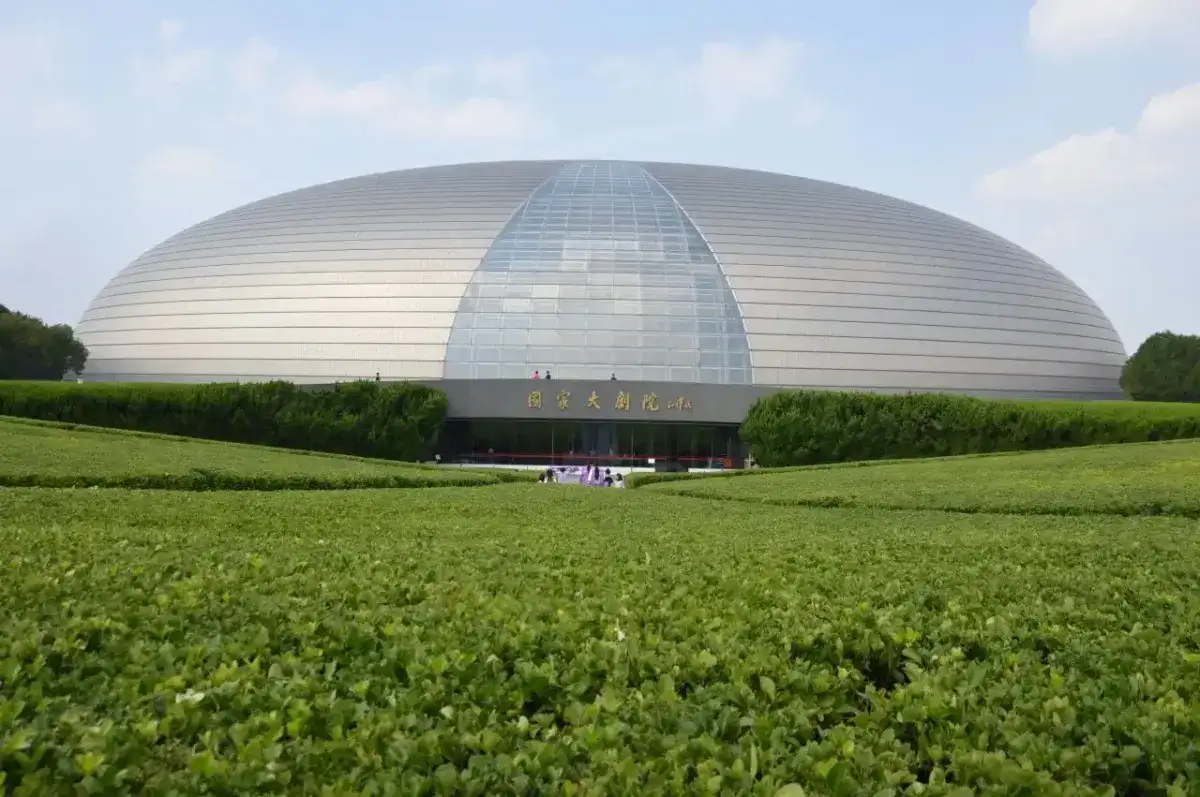
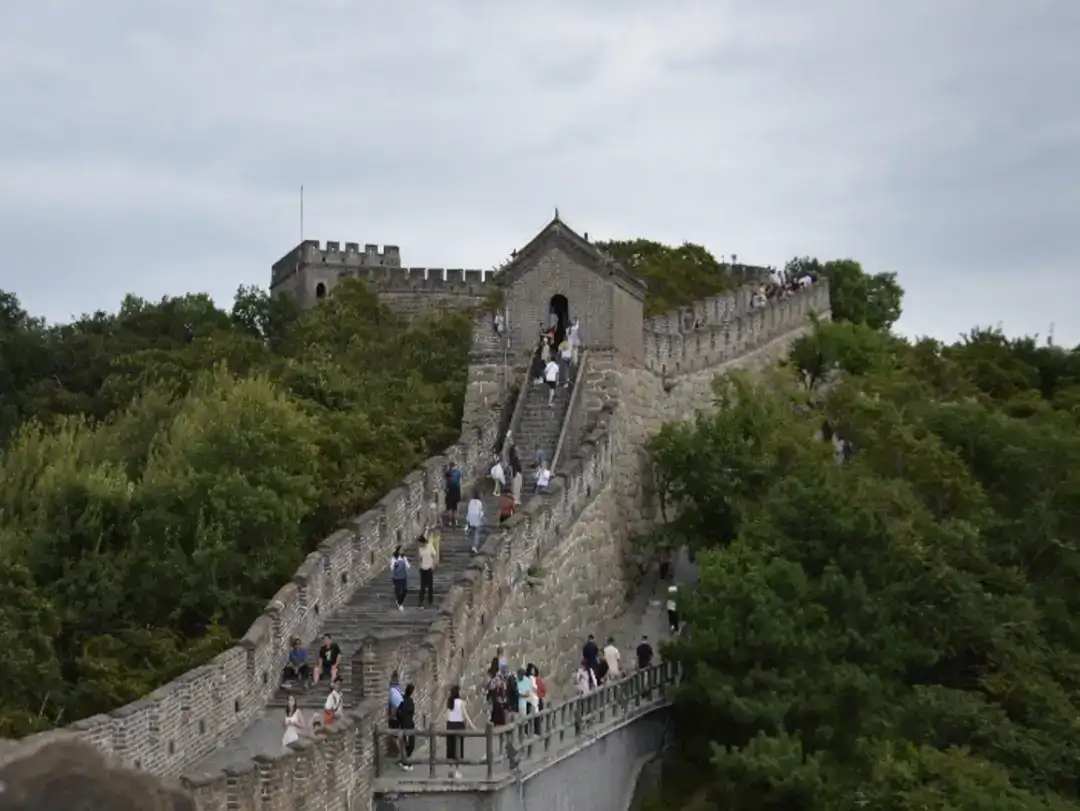
- BEIJING: Visits included the Forbidden City, Temple of Heaven and Great Wall, alongside contemporary architectural landmarks such as the Bird's Nest, Water Cube, National Centre for the Performing Arts, Galaxy SOHO and Beijing City Library. The delegation also explored Neri&Hu's Lao Ding Feng headquarters, an example of industrial heritage regeneration.
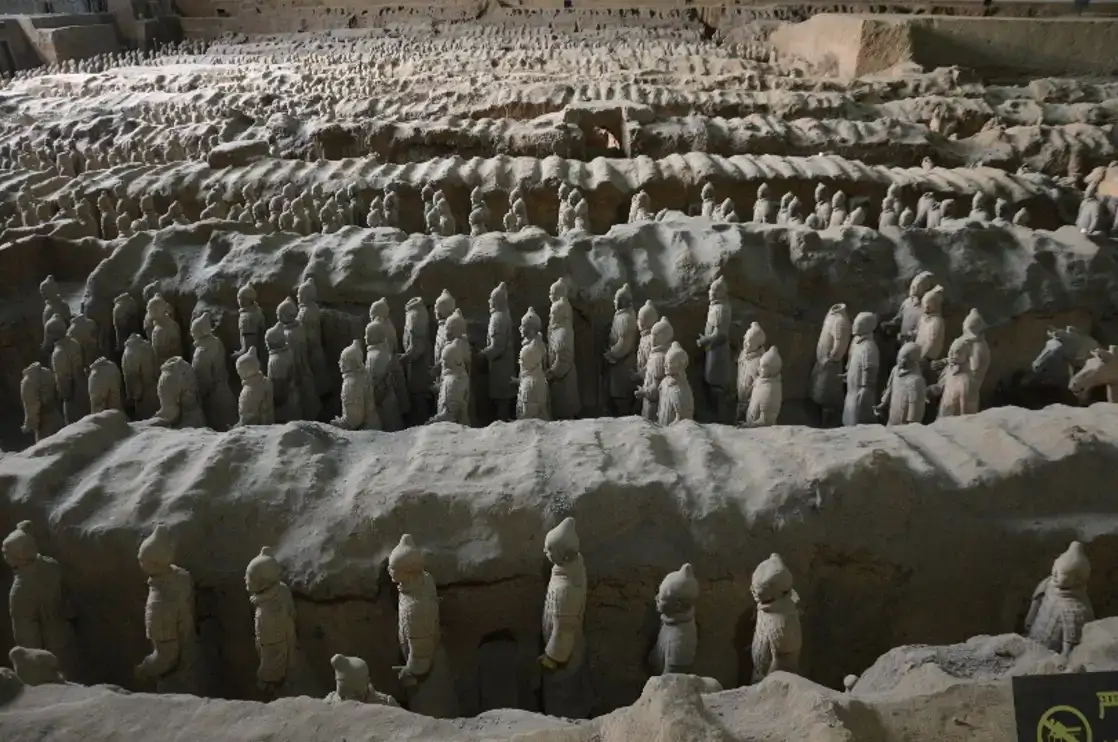
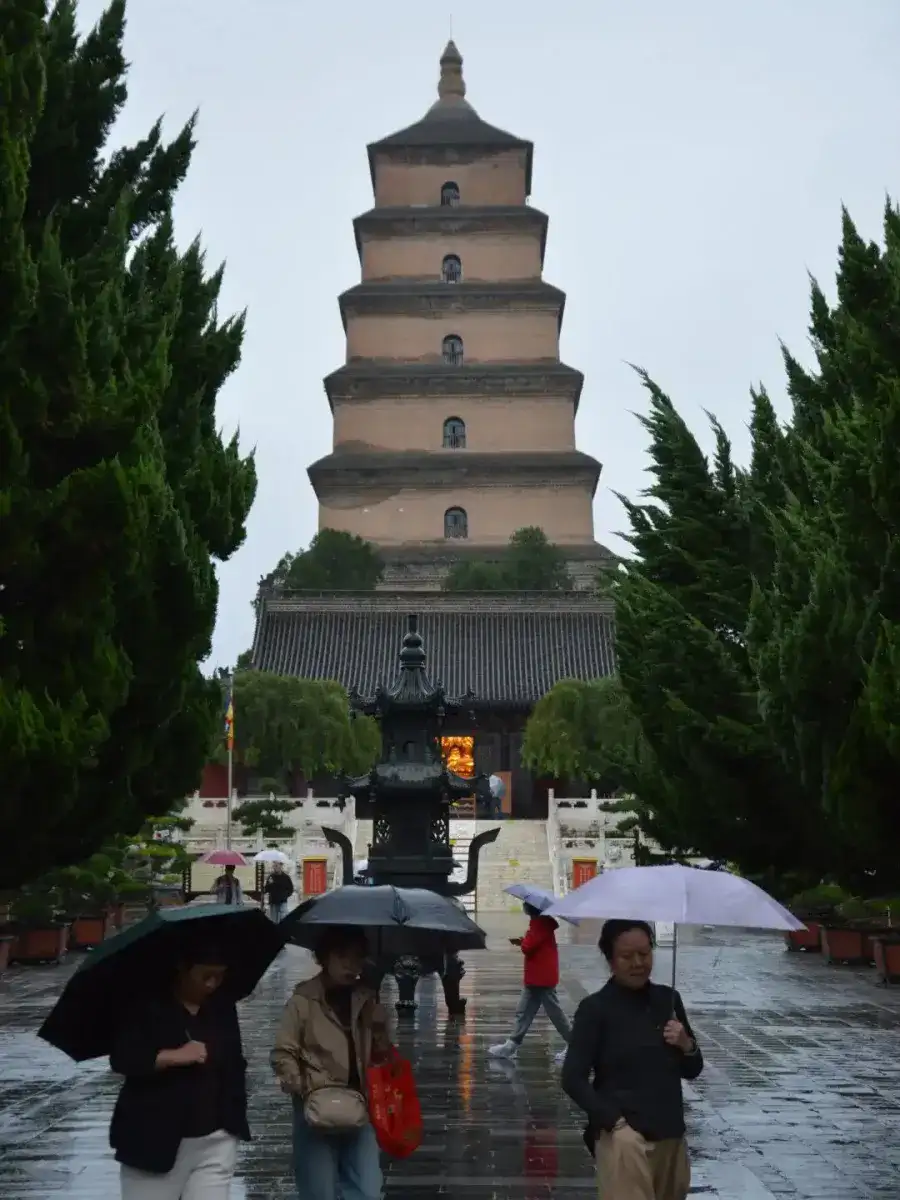
- XI'AN: The itinerary combined visits to the Terracotta Army, the historic Muslim Quarter and the Giant Wild Goose Pagoda with contemporary architectural projects, including Wang Shu's Grand Theater and Neri&Hu's extension of the Qujiang Museum of Fine Arts.
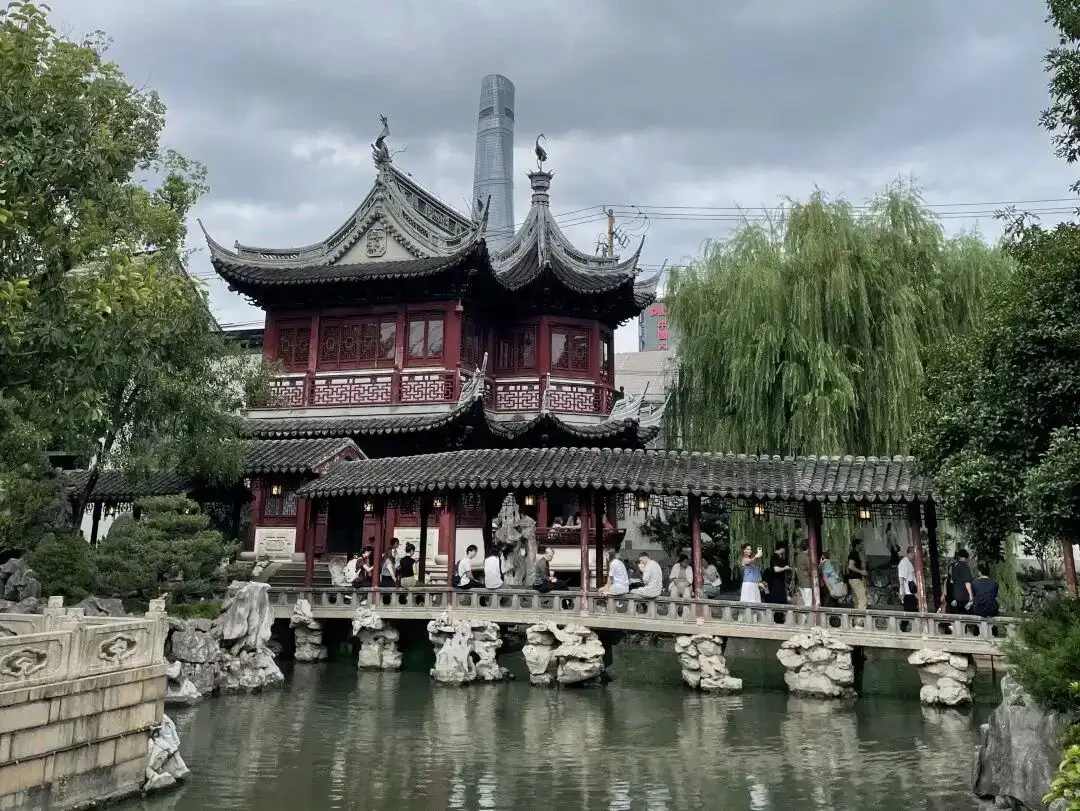
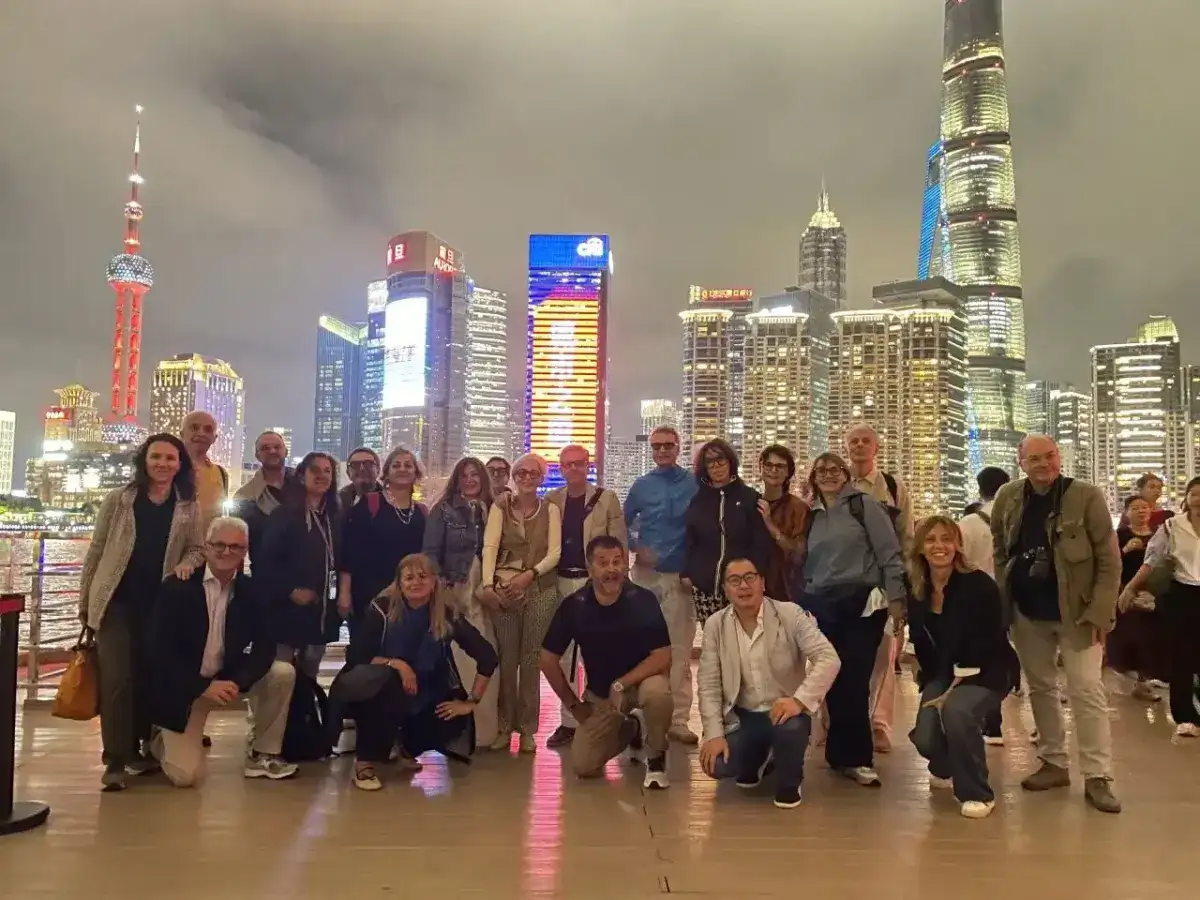
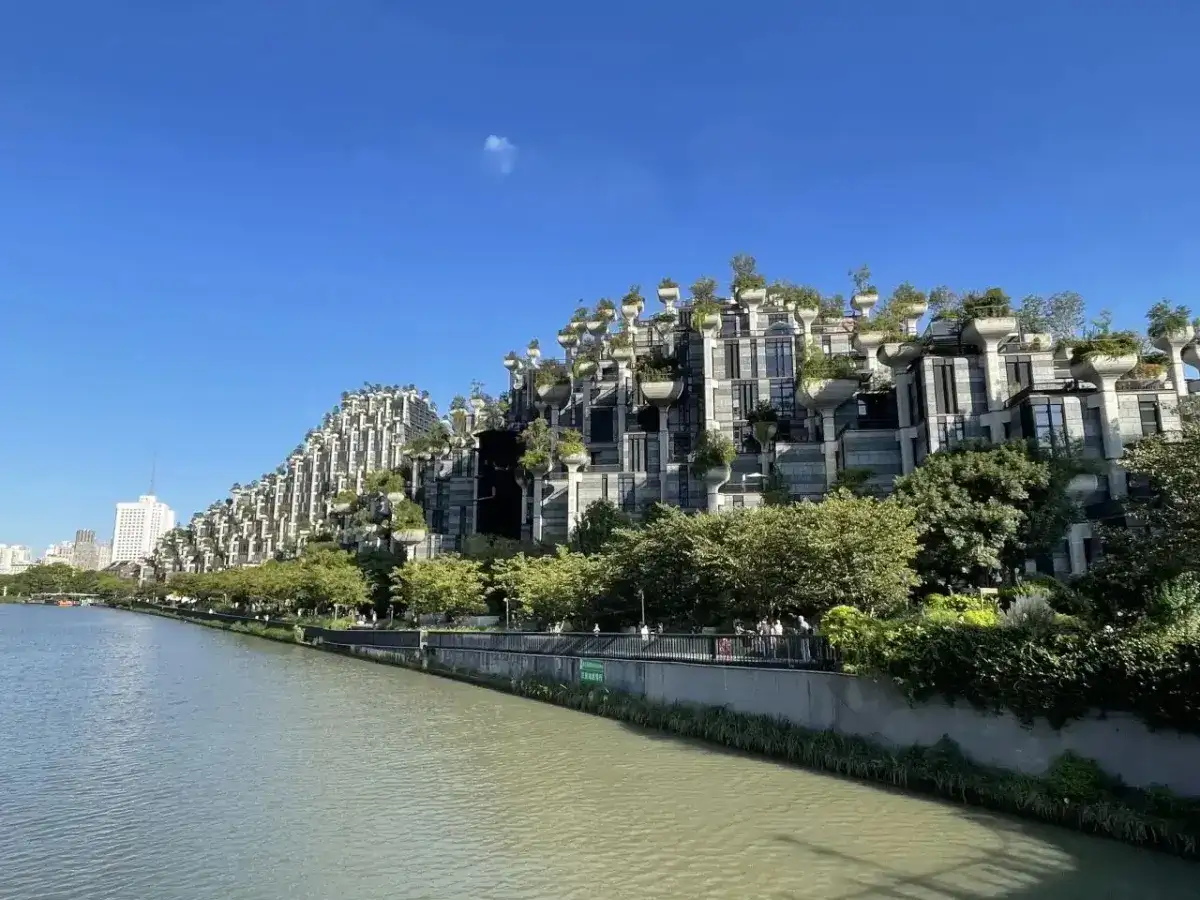
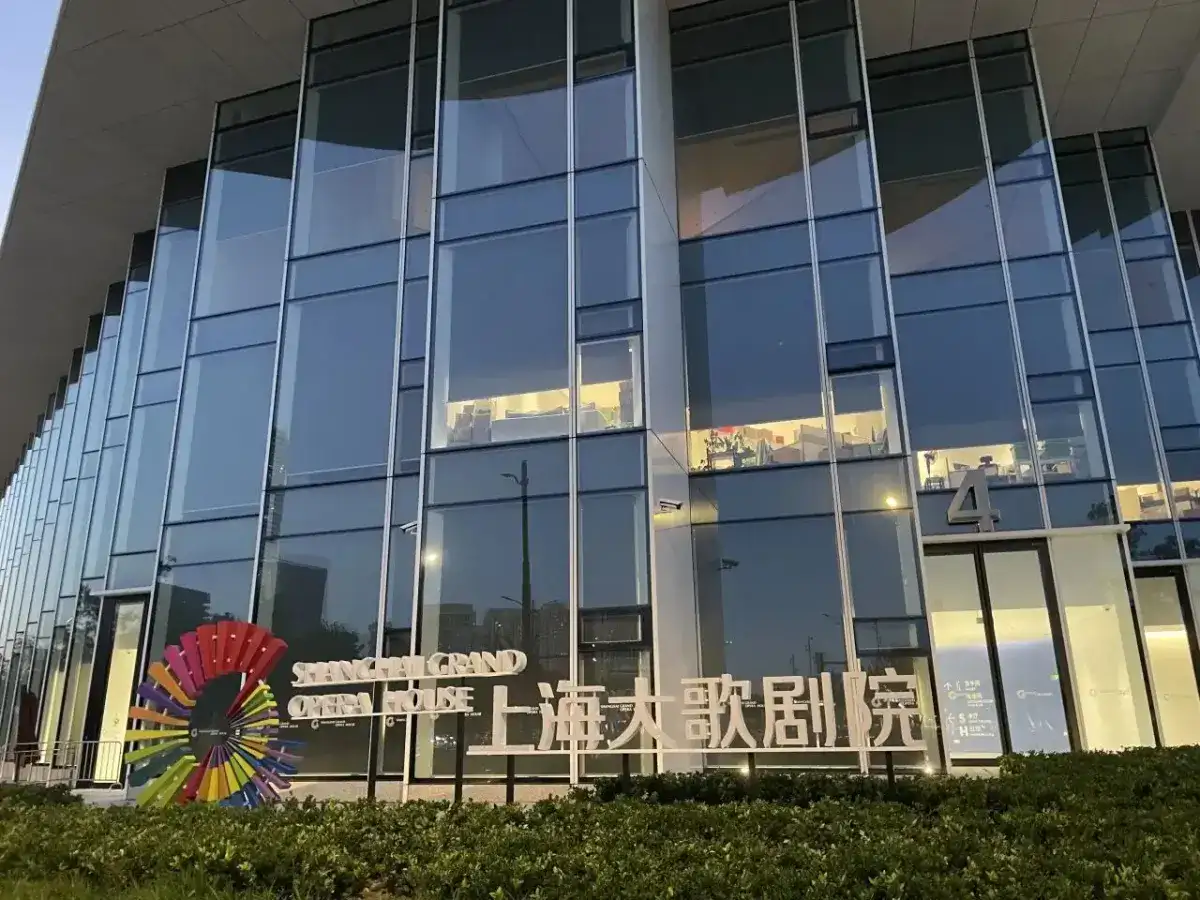
- SHANGHAI: The delegation explored the Bund, Yu Garden, Tianzifang and the ancient water town of Zhujiajiao, alongside innovative urban projects such as the Tian'an 1000 Trees building, the Qiantan and Houtan waterfront regeneration areas, and the new Shanghai Grand Opera House designed by Snøhetta.
Institutional and Academic Exchanges
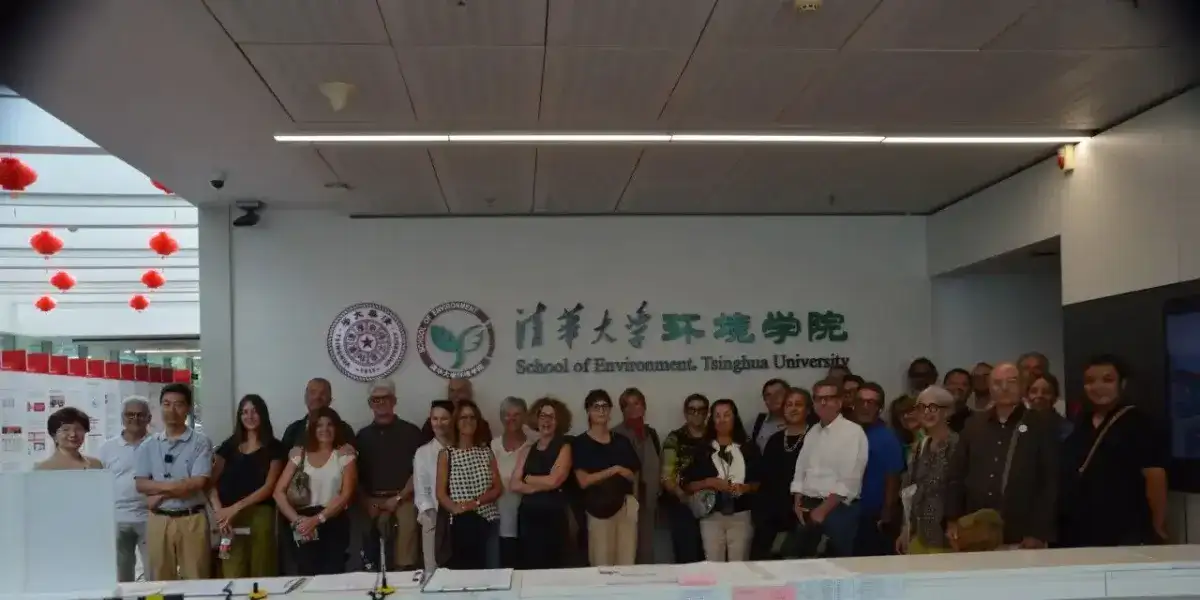
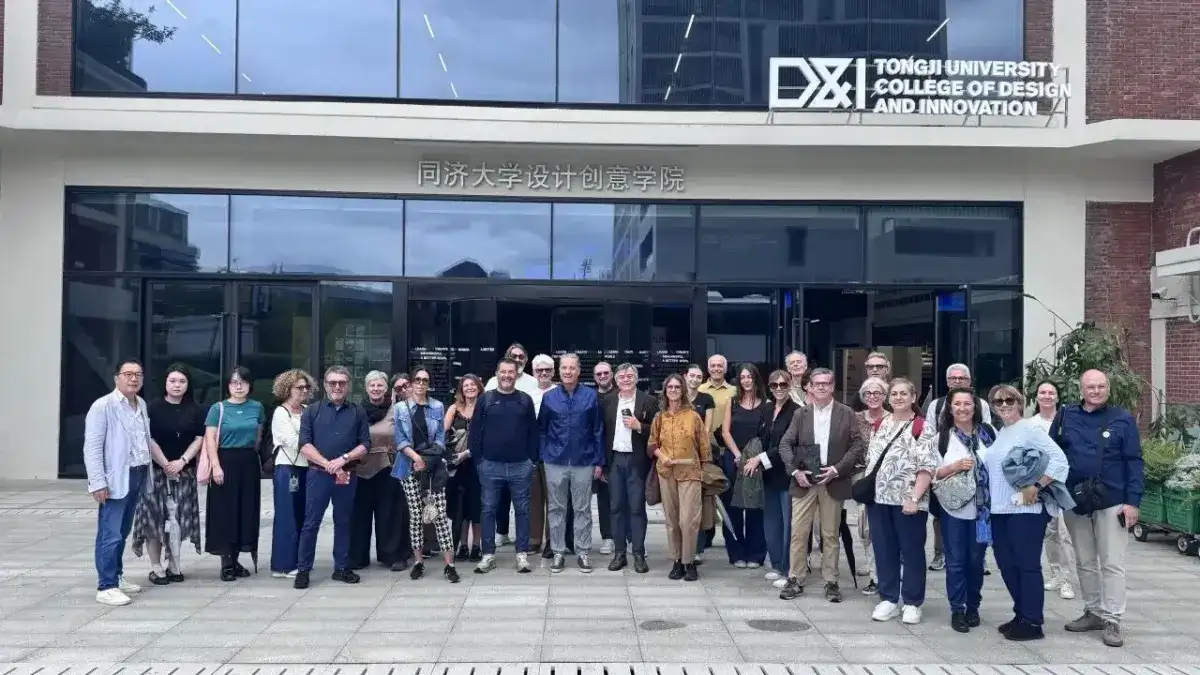
Beyond architectural visits, CCIC facilitated meetings with leading Chinese institutions and universities, including the Architectural Society of China, Tsinghua University and Tongji University's School of Design and Innovation.
At Tsinghua University, participants explored Mario Cucinella's Sino-Italian Ecological and Energy Efficient Building (SIEEB), while exchanges at Tongji University provided insights into innovative approaches to architecture and design.
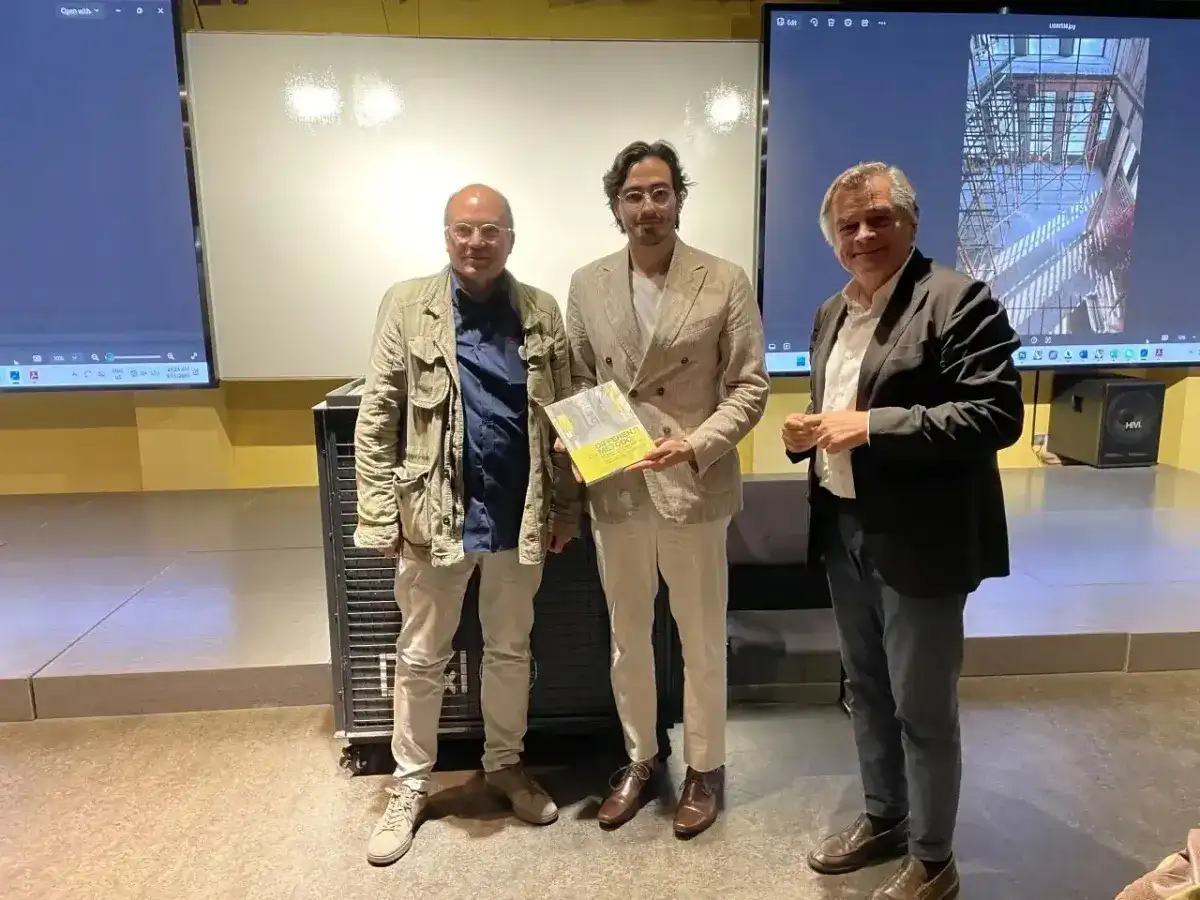
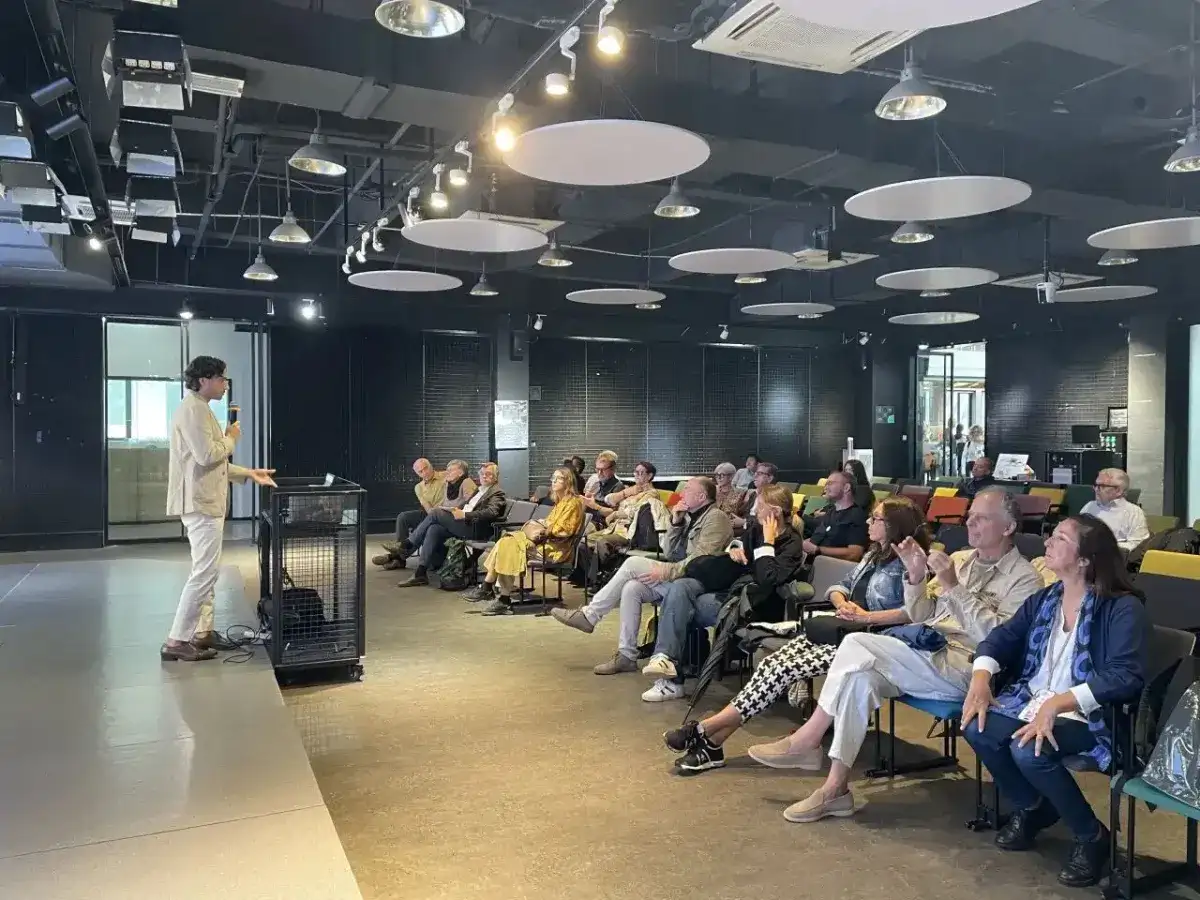
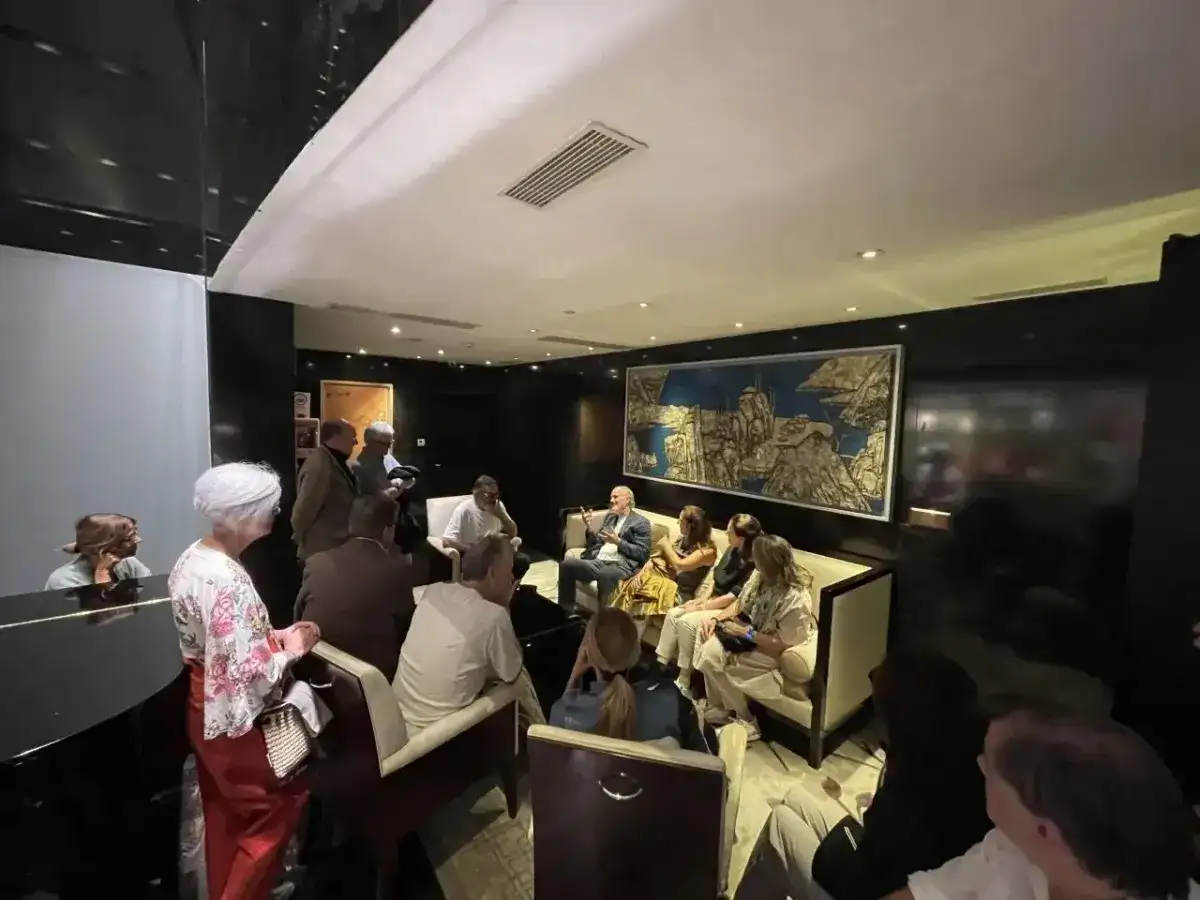
The delegation also engaged in professional discussions with Italian architects based in China, including Aldo Cibic and Edoardo Nieri, exchanging perspectives on architectural conservation, urban regeneration and cross-cultural design.
We extend our sincere thanks to FATV, all participating institutions, speakers and partners for contributing to the success of this initiative.