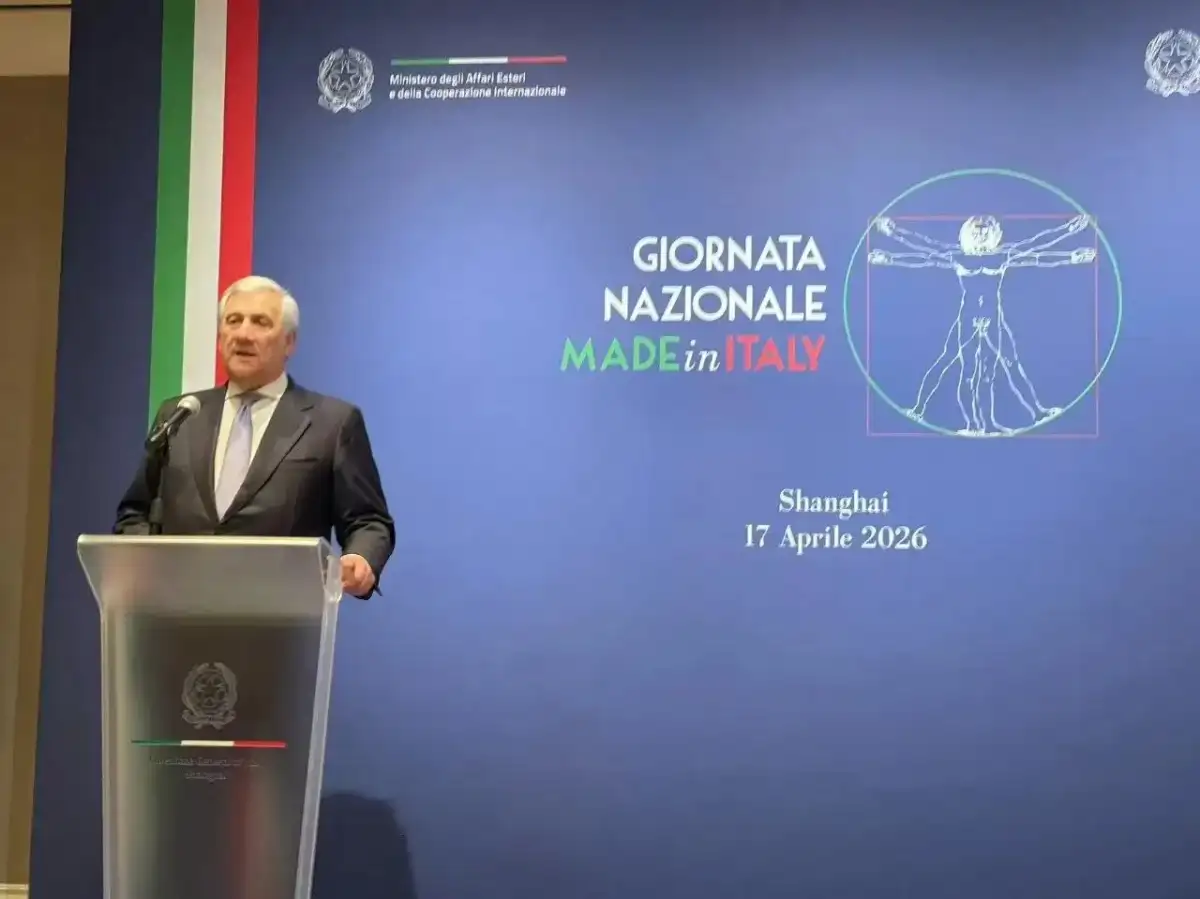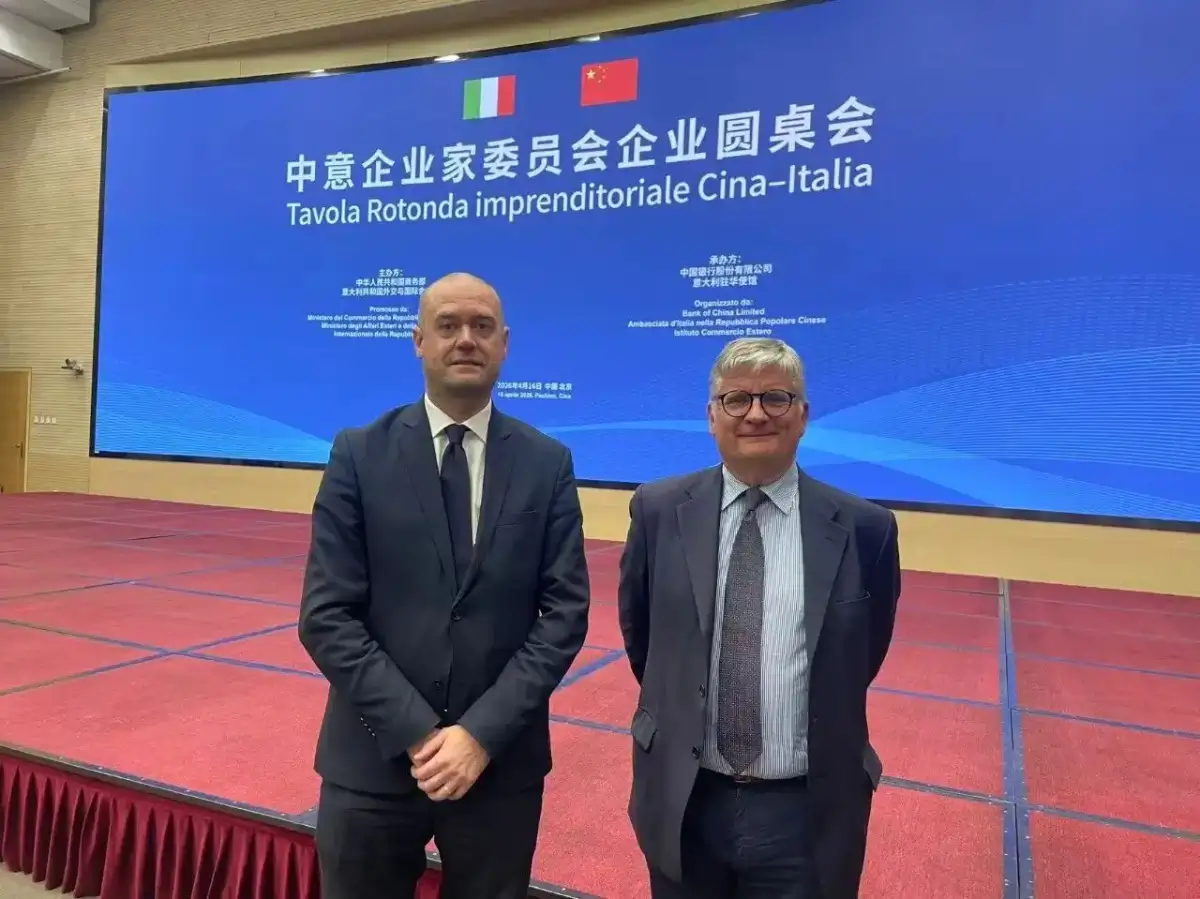
The Italian Chamber of Commerce in China (CCIC) participated in the institutional meetings held in both Beijing and Shanghai during the official visit of Italy’s Deputy Prime Minister and Minister of Foreign Affairs and International Cooperation.
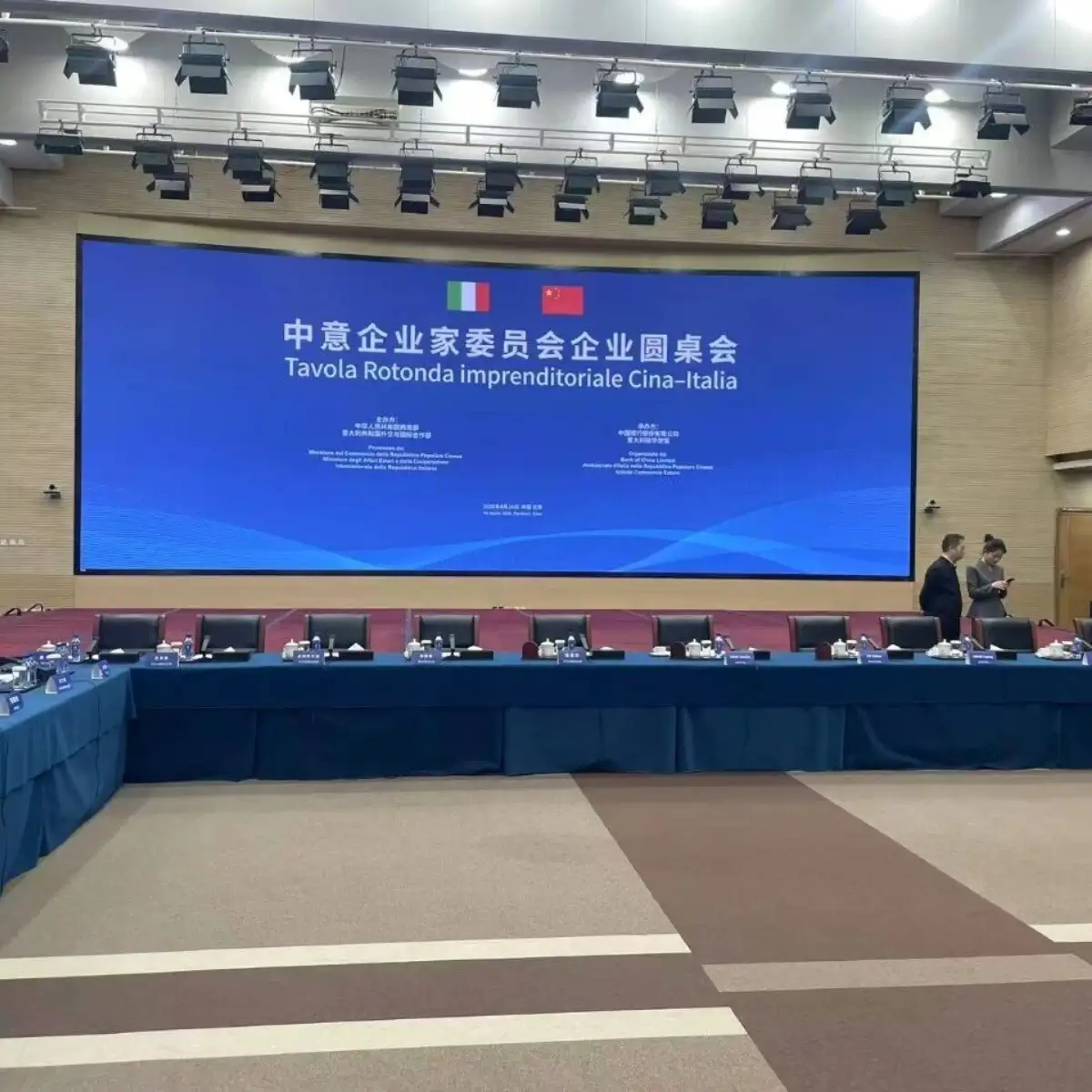
On April 16, CCIC Chairman Lorenzo Riccardi, Vice President for Northern China Andrea Croci, and Secretary General Fabrizio Costa attended the China–Italy Business Roundtable held at the Ministry of Commerce (MOFCOM).
On April 17, Chairman Riccardi, together with Vice President for Eastern China Fabio Lambertini, the Vice President in the North, Andrea Croci, and Board Member Lorenzo Bali, also took part in a meeting with the Italian business community in Shanghai.
The latest high-level engagement between Italy and China offers a timely opportunity to further advance the transition from dialogue to concrete implementation. For the business community, this moment underscores the importance of turning shared intent into practical outcomes that can support companies already active in China, as well as investors assessing new opportunities for entry or expansion.
The visit of Italy’s Deputy Prime Minister and Minister of Foreign Affairs and International Cooperation should be viewed as a meaningful step in reinforcing Italy’s commercial positioning in China. For firms already present in the market and for prospective investors, the message is clear: engagement with China is a long-term commitment. The objective is not only incremental growth, but the development of a stronger, more competitive and more resilient presence in one of the world’s most dynamic and complex markets.
China is not simply an export destination; it is a strategic market in which Italian companies compete on innovation, brand strength and industrial capability. Sectors such as advanced manufacturing, pharmaceuticals, chemicals, fashion and premium agri-food remain particularly well placed. At the same time, success increasingly depends on scaling operations, deepening local integration and strengthening proximity to Chinese consumers, industrial partners and distribution networks. In many cases, this means moving beyond an export-oriented approach towards a more structured and embedded operational footprint.
This evolution calls for a structured and forward-looking approach to market conditions. Broader and more predictable access, greater regulatory transparency and effective protection of intellectual property remain key priorities for business operators. Predictability and reciprocity are essential conditions for sustainable investment. The objective must be to pursue tangible improvements that allow companies to operate on a more balanced and transparent playing field.
The next step should be to translate the diplomatic signals emerging from this visit into specific, time-bound and measurable market-access deliverables. In practical terms, this may include sector-specific roadmaps endorsed by the Italy–China Joint Economic Commission, clear KPIs for the gradual reduction of trade and investment barriers, and continued progress on regulatory efficiency, including certification procedures and administrative transparency. Targeted pilot initiatives in strategic areas such as public procurement, together with measurable milestones in intellectual property protection and enforcement, can help convert commitments into concrete results.
At the same time, the next phase of bilateral economic engagement should increasingly be shaped by innovation as a key differentiator. Digitalisation, sustainability, advanced manufacturing and high-value services are areas in which Italian companies can further strengthen their competitive positioning and contribute to higher-quality, more balanced growth.
For companies already established in China, priorities include deepening local integration, strengthening operational resilience and enhancing proximity to end consumers, industrial partners and innovation ecosystems. For investors, the central considerations remain the quality, predictability and enforceability of the operating environment, which are fundamental to long-term sustainability and scalability.
In this context, the Italian Chamber of Commerce, together with the Embassy of Italy in China, the Italian Consulates and the Italian Trade Agency, as well as Italian business and entrepreneurs’ associations, plays an important role in supporting Italian businesses already operating in the market, facilitating new opportunities and promoting investment flows from China into Italy. This coordinated institutional network helps build commercial bridges, strengthen confidence and support a more balanced and dynamic bilateral economic relationship.
China continues to represent a market of strategic relevance for Italian business. Success in this context will increasingly depend on discipline, scale and strategic clarity, supported by sound risk management and diversified exposure strategies. The opportunity remains significant and durable, and it will reward those prepared to engage with consistency, structure and a long-term perspective.